Exhibition by Anna Stammler-Gossmann

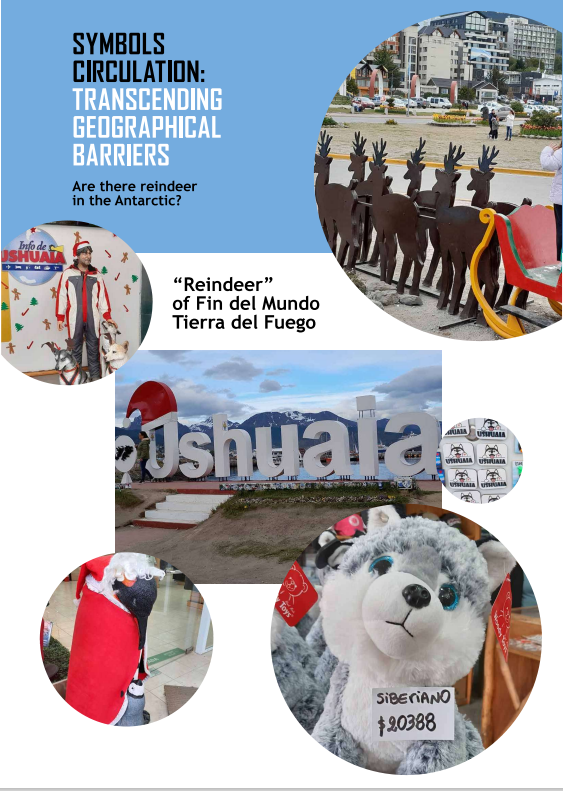
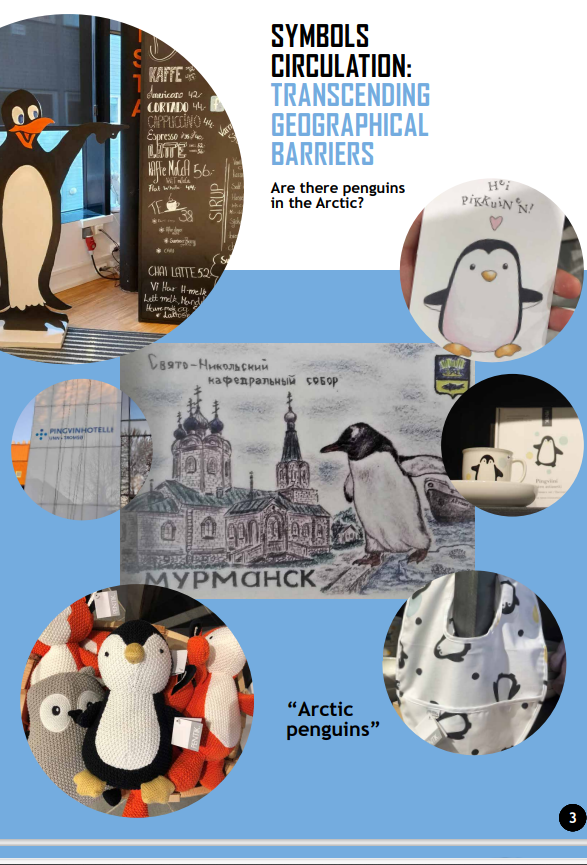
As humans, we have adopted a linear “take, make and throw away” approach, in contrast to the circular processes observed in nature. In the living world, there is no waste disposal site – the waste of one species is the food of another, things grow and then die, and nutrients return to the soil. Can we shift our linear mindset to operate in the same circular manner as the more-than-human world?
While recycling begins at the end of a product’s life cycle, a circular economy addresses waste prevention from the outset. However, there are many structural, legal and cost-related challenges in implementing this concept in practice.
The exhibition presents the Finnish-Argentinian project CIBIECO (Circular Bioeconomy: From Theory to practice, 2022-2024). The project focuses on the ideas of the circular economy like “building capital from waste”, “keeping economy in a circular loop”, and their practical application in small enterprises across Finland and Argentina.
This project integrates research, education, and local community engagement. The exchange between Finnish and Argentinian researchers and students provides great opportunities for circulation of expertise, knowledge and cultural insights. The exhibition presents photo materials collected during the visits, fieldwork and “Circularity schools” in Finland and Argentina (2023). The project is funded by Team Finland Knowledge Programme.
Project participants:
Arctic Centre, University of Lapland, Rovaniemi, Finland (Lead institution, PI Anna Stammler-Gossmann))
Centria University of Applied Sciences, Kokkola, Finland
National University of Río Cuarto, Rio Cuarto, Argentina
National University of Tierra del Fuego, Antarctica and South Atlantic Islands, Ushuaia, Argentina
 Arctic Anthropology
super interesting, congratulations for a great exhibition. This also reminds me of the linear/circular dualism that we see in a lot of contacts between imported industrial livelihoods in the Arctic and indigenous land-based livelihoods. And – if we take it even further philosophically: might the origin lie in the teleological versus circular cosmology, which become obvious when religions meet? Christianity as an ‘imported’ religion with a linear idea that you advance further and further to your final goal which is heaven and sitting right next to god and Jesus. Versus animism where all beings on the land have a soul, and in many religions there souls can reincarnate in different forms, which means they live, evolve, die and return in different forms of being. Correspondingly, also in such circular cosmology objects circulate much more easily than in the linear worldview which became so dominant on our planet – and so problematic. So, could we ask if circular economy may be linked to circular cosmology? And this has been there among the peoples of the Arctic (and the polar south) long before the current recycling idea evolved.