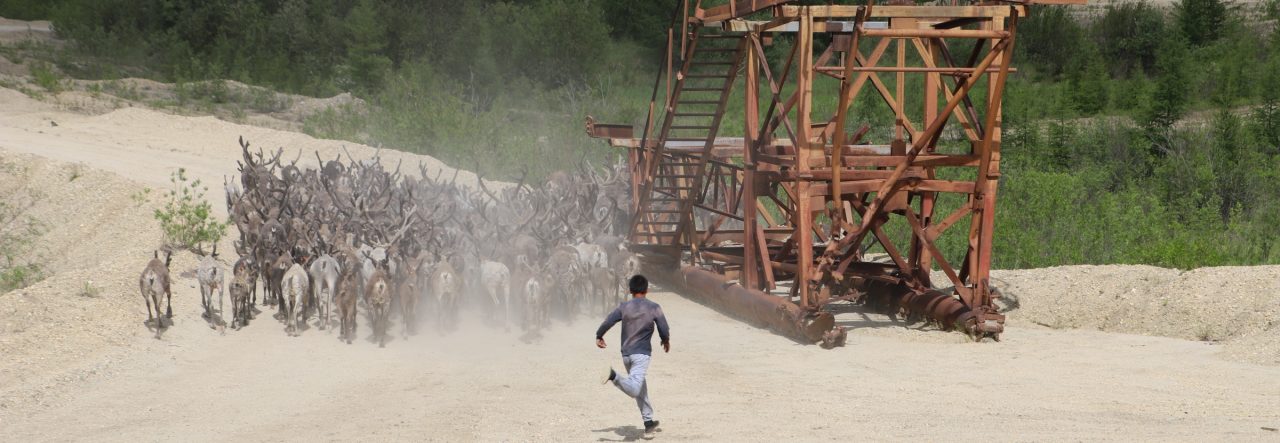
Nina Meschtyb’s reconnaissance field trip Jona and Jonskaya, February 2012
My departure was sudden, as well as the place where I decided to go. The destination of my first trip for the ORHELIA project was a little village west of the Kola Peninsula – Jona (Ёна). When we think of Russian Sámi, everybody has the village of Lovozero as an association. But there are also Sámi in other places of Russia! Together with Florian we decided that this place Jona should be interesting to visit for the purpose of our study. It is a pleasure to look back and see that we were not mistaken. This village has a rich and little known history and of course people remember it, they live with this memory and retell it in their own way.

I departed on the 15th February from Rovaniemi with a small minivan (7 people). My bus neighbours were from Kirovsk. They traveled to Finland for some shopping and “fresh air” – «проветриться», прогуляться. At present time, for the inhabitants of the Kola Peninsula to do a trip to Finland is not difficult – a visa for shopping is obtained quickly and without any problems. Travel companions were nice and talkative. They talked a lot about the features of contemporary life in their region and particular in Kirovsk. Like many other Russians, they had not heard anything about the village where I was going to, and they were even a little bit worried about me as far as we were not yet there when the night already was in full swing.
Finally, we got to the crossroad to Kovdor from the main highway where I was going to be picked up by a private car to be brought to Jona. I went into the night, the road was dark and I was totally happy to find out that the car was still waiting for me.
The night road quickly brought me through the KPP (checkpoint). Jonskaja, Jona, Kovdor and the other settlements on that road west of the main highway are in the Russian border zone, and all visitors are registered and asked for their destination at checkpoints. Foreigners need a special permit by the border guards to visit such places.
Jonskaya
Jonskaya about (2,5 thousand peoples nowadays) and Jona (about 500 peoples) are located about 7 from each other. From here it is very close to the Finnish border – a little over 30 km. It seems that my night interlocutors from the big village (Jonskaya) have only a vague idea what is going on in the small village (Jona) that is placed just near by. They just know that it is an “aboriginal” village. 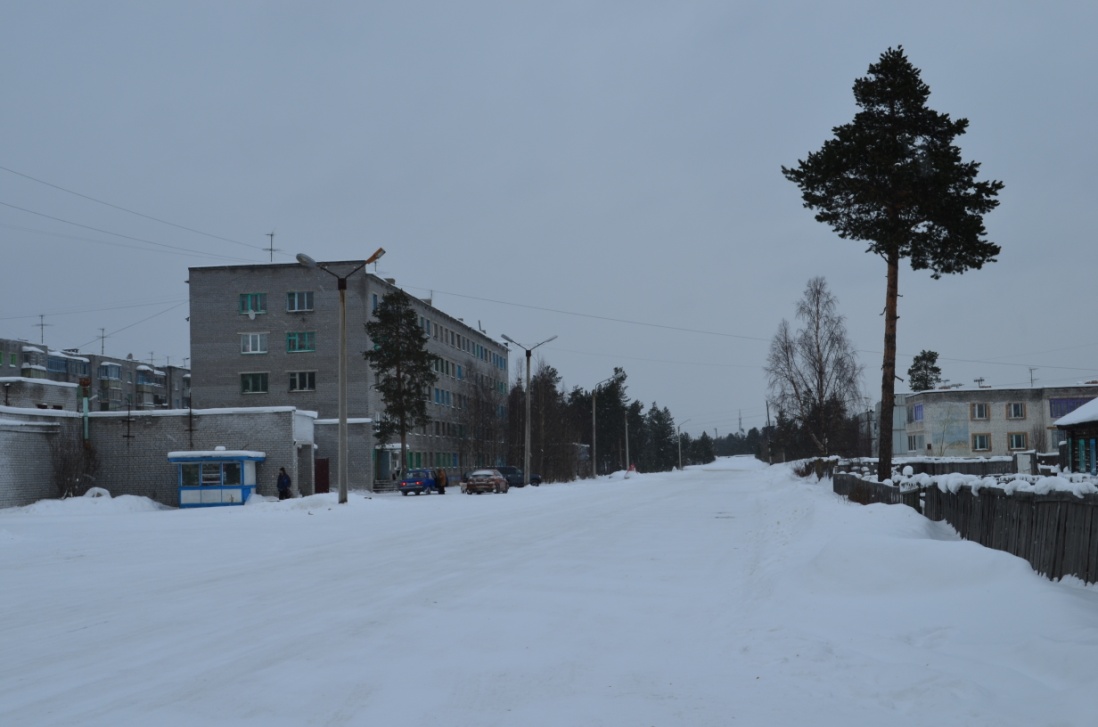
About about their own settlement Jonskaya, they told that the population was cut by half during the last 20 years – people leave because their is no place to work, and no perspective to get a job. «Kovdorsky mining and processing integrated works» – the only enterprise where the most people work barely makes ends meet.
Jona – a village of Sámi and Finnish people in Russia
The village is located at the mouth of the River Jona, where it flows into Kohozero. The population of the village is nationally mixed Finnish, Sámi, Russian and other population.
There are several theories about the appearance of the name of the village: a) in the name of a Finnish elder – Jona, Joni; b) from Sámi language “jon”, which means lingonberry or cowberry, or from Sámi Jon – big river. Peoples freely interpret it in the way what sounds better, closer to them. Sámi support the version of jon – lingonberry.
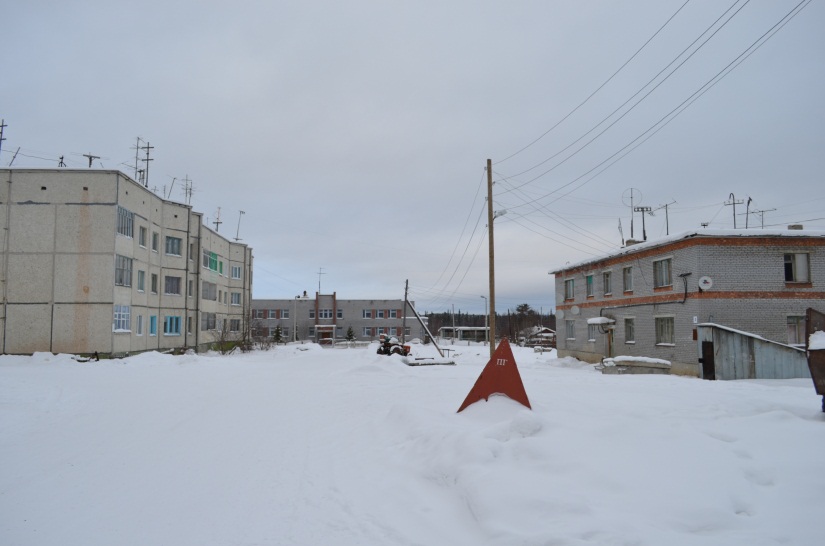
Jona is registered from the end of 19th century as a Finnish village, but from the very beginning its population was very mixed. For example , it is known from archives that in 1857 in Jona willfully settled Essa Sotkojärvi (Isaac Matveevich). He was married with a Sámi woman – Sergina Feodosia, and they had children: Anton – Antti, Chariton- Artur, Sarah – Saara, Alexander – Sandra, Isaac – Essa, Ivan – Jussi, Katherine – Kaisa. … Among the ancestors of many local residents of Jona there are both – Finns and Sámi. I was told that often the boys in the family were registered as Finns and the girls as Sámi. I would like to learn more about peculiarity of this situation during my future work in this village.
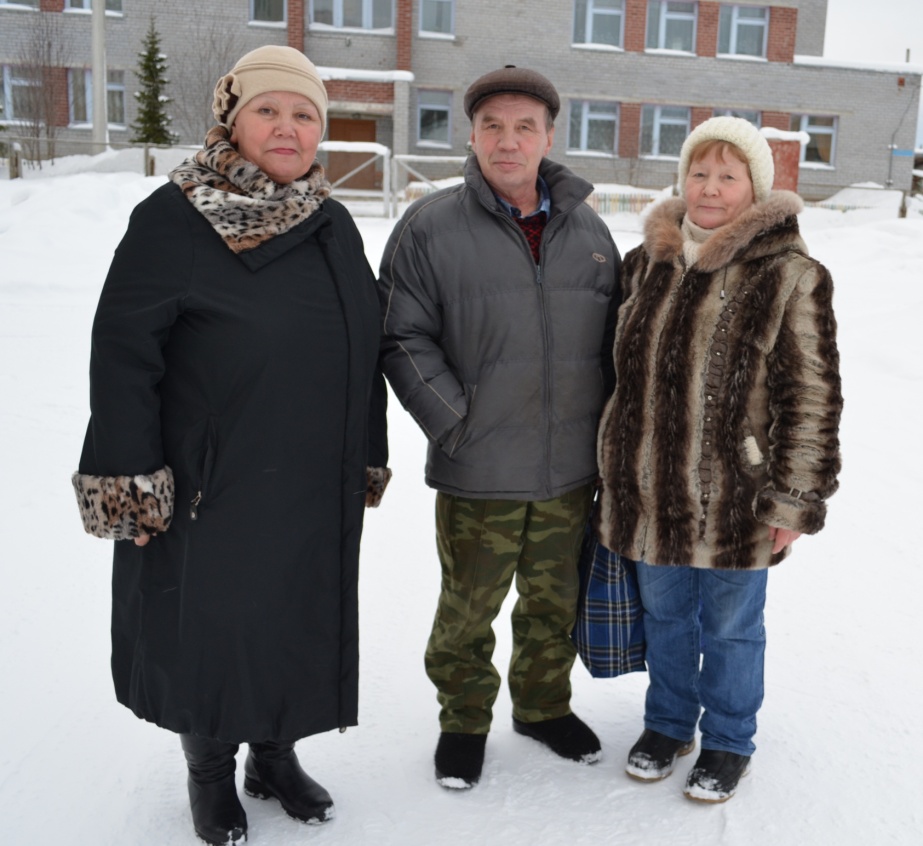
“Jonskiy president”
My main interview partner during this trip was Tatjana Fedorovna Tsmikailo – “Jonskiy president”. She is the leader of the Sámi association of Kovdor region and the leader of the obshina “Jona”. She was born in Jona. Her mother was Skolt Sámi (Notozerskie Sámi) and her father Akkala Sámi (Babinskie Sámi). During the soviet time many Sámi villages were resettled but people still mention from what village (pogost) is their ancestors were, so there is still a sense of belonging to these former communities or places for the people.

 Arctic Anthropology
Really interesting post – thanks. i’m very interested in issues of identity and nationality but not the worst kinds of nationalism.
Нина, интересная заметка – похоже, ты очень хорошо провела время в “поле”! Я недавно вернулась из НАО – много приветов оттуда и теплых воспоминаний о тебе!
Really interesting! I share the same interest. Please write more about this and about the next fieldtrip as well.
Pingback: Sámi people of Jona: pride and prejudice | Arctic anthropology